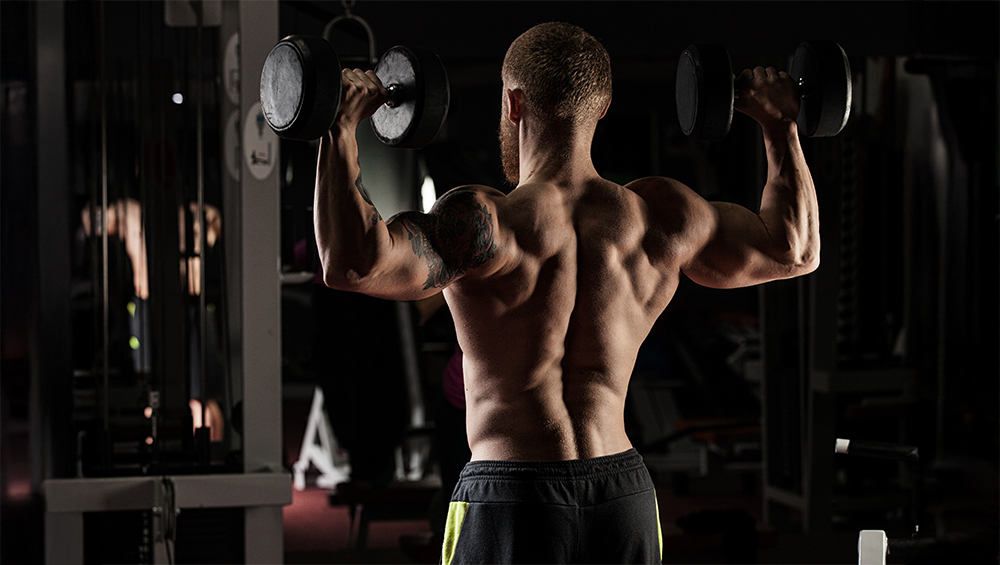
Steroid Addiction and Dependence: Can You Get Hooked on Gains?
In gyms around the world, anabolic steroids have become synonymous with rapid muscle growth, enhanced strength, and faster recovery. For some, they represent the ultimate shortcut to the perfect physique. But behind the glossy exterior of shredded muscles and improved athletic performance lies a quieter, more complex reality that is steroid dependence. While steroids aren’t addictive in the same way as narcotics or alcohol, they can still produce both physical dependence and psychological craving.
Steroid addiction develops through a combination of neurochemical changes, psychological reinforcement, and hormonal dependence—making awareness, moderation, and responsible post-cycle therapy essential for long-term health.
Understanding Steroid Dependence: The Science of “Hooked on Gains”
Anabolic-androgenic steroids (AAS) are synthetic derivatives of testosterone that mimic its muscle-building and androgenic properties. Originally developed for medical use, they’re now widely used by bodybuilders, athletes, and even recreational gym-goers seeking a competitive edge. But their power lies not only in physical transformation—it’s also in the potent psychological reinforcement they provide.
Research in Frontiers in Neuroscience describes how steroids influence brain chemistry by altering dopamine and serotonin systems associated with mood, aggression, and reward. These neurotransmitters are the same ones implicated in substance addiction. When a user sees faster results, such as bigger lifts, improved physique, or increased self-esteem, these changes trigger reward feedback loops in the brain, reinforcing continued use.
Over time, the brain begins to associate confidence, motivation, and identity with steroid use itself. This is where the danger begins—not necessarily in the compound, but in the relationship built around it. People who misuse anabolic steroids can experience withdrawal symptoms, including fatigue, restlessness, depression, and loss of appetite when stopping use. These withdrawal symptoms often push users to resume cycles prematurely, creating a dependency cycle similar to that seen with other addictive substances.
Long-term, chronic use can also affect the hypothalamic–pituitary–gonadal (HPG) axis—a key hormonal system responsible for regulating natural testosterone production. As external anabolic levels rise, the body’s own testosterone production drops, leading to symptoms like fatigue, loss of libido, and depression. This creates a physiological dependence where the body “needs” the compounds to feel normal again.
To support safe cycling and minimize hormonal suppression, athletes often turn to structured post-cycle therapy products that help restore natural testosterone production and balance. This recovery step is crucial for anyone who wants to prevent long-term endocrine disruption.
The Psychological Grip: How Steroids Hijack Motivation and Identity
Unlike substances that produce an immediate euphoric “high,” steroid addiction is psychological—its reinforcement comes from visual results and internal validation. Every added pound of muscle, every glance in the mirror, becomes its own dopamine rush. This reinforcement loop makes it difficult for many users to stop.
A landmark study found that About 30% of AAS users appear to develop a dependence syndrome. This aligns with gym-based behavioral patterns where individuals extend cycles beyond intended durations or “blast and cruise” (switch between high and low doses indefinitely) rather than taking full breaks.
Psychological dependence also manifests in the fear of losing one’s physical progress. Users often describe post-cycle periods as emotionally draining—not just because of hormonal shifts, but due to visible reductions in muscle fullness or strength. This perceived loss can trigger anxiety, low self-esteem, or even body dysmorphia.
Common warning signs of steroid dependence include:
- Persistent anxiety or irritability during “off” periods.
- Obsession with body image or minor physical imperfections.
- Continuing cycles despite known health risks.
- Neglecting recovery or post-cycle therapy.
For those who experience these symptoms, taking structured recovery steps is vital. Integrating support from hormone support products, peptides, or SARMs under expert supervision can help smooth the transition off cycles while retaining muscle gains. These categories offer alternatives and adjuncts that support gradual hormonal balance without aggressive suppression.
Moreover, using fat burners or sexual wellness aids during recovery can assist with confidence and overall well-being, ensuring motivation remains high even when anabolic levels are being restored.
Physical Dependence and Hormonal Consequences
The physiological side of steroid dependence is often underestimated. While steroids don’t produce the same withdrawal-driven addiction as opioids or stimulants, they do cause significant hormonal adaptations that can feel just as compelling.
The body’s endocrine system maintains equilibrium through feedback loops. When external anabolic hormones flood the bloodstream, the hypothalamus and pituitary glands reduce natural testosterone and luteinizing hormone (LH) production.
The result? A period of hormonal imbalance known as “post-cycle crash.” Symptoms can include fatigue, irritability, insomnia, and decreased libido. Physically, many experience muscle loss, fluid retention, or increased body fat. Mentally, depression and apathy are common due to depleted dopamine and testosterone.
Research published in Science Direct reported that AAS abuse appears to be associated with a range of potentially prolonged psychiatric effects, including dependence syndromes, mood syndromes, and progression to other forms of substance abuse. These effects reinforce the cycle of dependence—individuals feel worse when they stop, so they return to use.
To mitigate this, structured post-cycle therapy is essential. Post-cycle therapy can help restart natural testosterone production, while HCG-based hormone support can stimulate testicular function. Peptides like BPC-157 and growth factors can also support overall recovery and well-being during the transitional phase.
Recovery Checklist for Safe Cycling:
- Implement PCT: Begin post-cycle therapy as soon as the last compound clears your system.
- Support Endocrine Health: Use hormone-supportive agents from HGH and HCG options.
- Rebuild Naturally: Incorporate SARMs or peptides to preserve muscle while natural testosterone recovers.
- Maintain Nutrition: Ensure adequate protein, fats, and micronutrients to restore metabolic balance.
- Prioritize Mental Health: Regular exercise, sunlight, and sleep can accelerate hormonal normalization.
Incorporating these measures ensures that athletes maintain both muscle gains and hormonal health long after a cycle ends, reducing dependence risks.
Breaking the Cycle: Prevention and Safer Practices
Avoiding steroid dependence doesn’t necessarily mean avoiding steroids altogether. It means understanding the mechanisms, setting boundaries, and prioritizing long-term health over short-term results. Responsible enhancement isn’t about abstaining—it’s about control, recovery, and self-awareness.
Plan Every Cycle
The first step toward prevention is cycle planning. Many users fall into the trap of running indefinite “cruise” phases, keeping their androgen levels elevated year-round. While this may sustain muscle size temporarily, it prevents the body’s hormonal axis from recovering naturally, leading to chronic suppression and fatigue.
Smart athletes design cycles with clear start and end points, followed by structured off-periods supported by post-cycle therapy. This approach allows the endocrine system to reset and ensures that each new cycle delivers maximum results without compounding stress.
Key Principles for Smart Cycle Planning:
- Set defined start and end dates for every cycle.
- Match cycle length with equal recovery time.
- Implement post-cycle therapy immediately after your final dose.
- Track bloodwork at least twice per cycle (midpoint and after PCT).
This not only helps restore natural testosterone but also gives receptors time to resensitize, making every future cycle safer and more effective.
Rotate Compounds
Rotation of compounds is another underappreciated prevention tool. Repeatedly using the same agents without breaks can desensitize androgen receptors and increase cumulative side effects. Alternating between different injectables or orals with unique ester lengths and anabolic-to-androgenic ratios helps distribute the stress across organ systems.
Some athletes even integrate SARMs or mild anabolic agents from the peptides category between heavy steroid cycles to maintain strength and size while allowing the endocrine system to recover.
Rotation Tips:
- Avoid using the same anabolic compounds for more than two consecutive cycles.
- Alternate between injectables and orals for systemic balance.
- Insert “peptide phases” between major cycles to promote natural hormone recovery.
- Use SARMs for maintenance cycles instead of full steroid stacks.
Integrate Recovery Tools Early
Prevention begins long before PCT—it starts during the cycle itself. Using recovery agents in tandem with anabolic compounds can dramatically reduce damage and speed up recovery.
Using Peptides and Hormone Support Products:
- Peptides like BPC-157 or CJC-1295—can:
- Accelerate muscle and tendon repair
- Reduce inflammation and injury risk
- Improve sleep and cellular recovery
- Compounds in the HGH and HCG section can:
- Sustain natural testosterone production
- Protect fertility and testicular health
- Maintain collagen synthesis and joint integrity
Additional Recovery Tools:
- Stay hydrated (at least 3–4 liters daily).
- Supplement with omega-3s for cardiovascular health.
- Get 7–9 hours of sleep per night for hormonal regulation.
- Use adaptogens (like ashwagandha or rhodiola) to lower cortisol.
Conclusion
Steroid addiction is rarely about a single cycle—it’s about the mindset, the mirror, and the hormonal chemistry that keeps users chasing progress. Dependence develops subtly, driven by the intersection of neurobiology and identity. Yet, with informed cycling, diligent recovery, and awareness of both body and mind, it is entirely possible to achieve sustainable gains without falling into dependence.
For premium injectables, orals, SARMs, peptides, and post-cycle support designed for responsible enhancement, visit the GainsRX. To get tailored guidance or professional recommendations for your goals, reach out to our professional support team.